
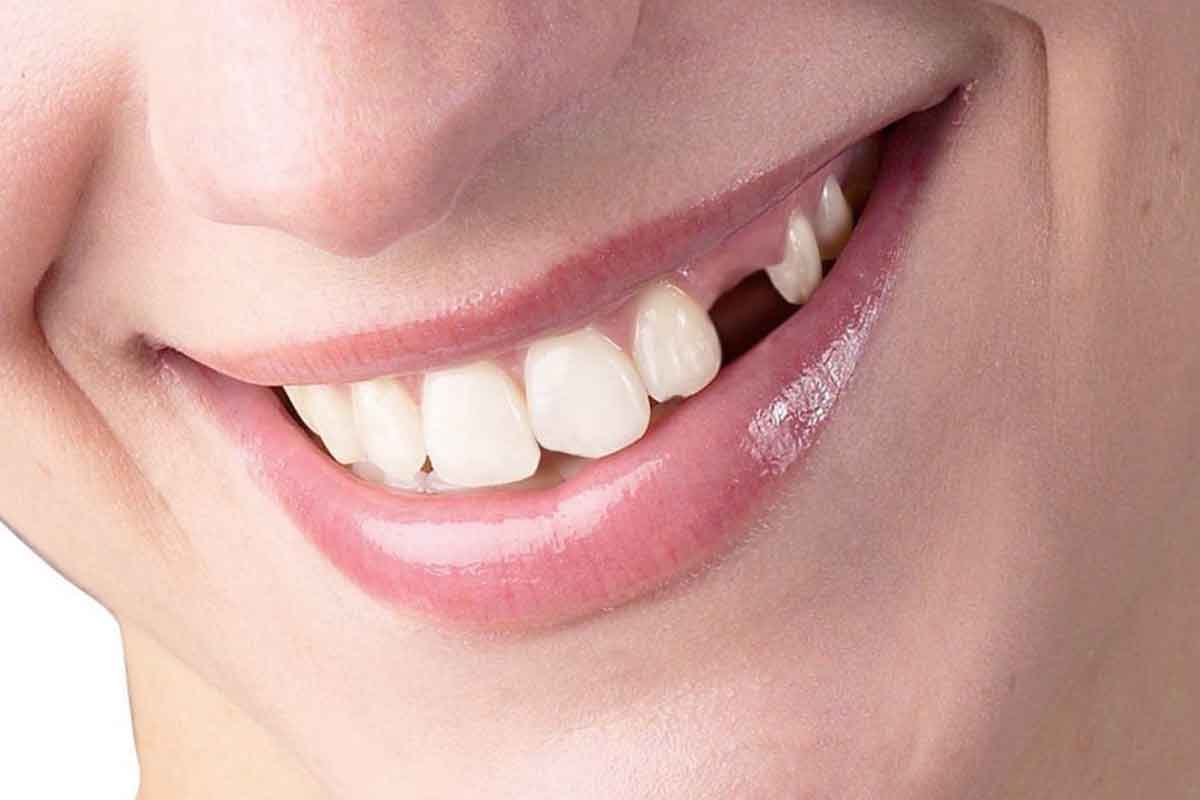

Missing a single tooth may appear insignificant, but it can have severe consequences on your oral health if not addressed promptly. The gaps left by missing teeth can trigger a chain reaction of dental issues, affecting the alignment of your remaining teeth, your bite, and even your overall well-being. Dental implants offer a permanent and efficient solution for replacing missing teeth, ensuring the stability and health of your mouth. This article will delve into the repercussions of missing teeth, the advantages of dental implants, and the process involved in obtaining them.
The Impact of Missing Teeth
The absence of teeth can have various adverse effects on both your oral health and general quality of life. Here are some key issues that can arise from the loss of a single tooth:
Tooth Movement
When a tooth is missing, the neighboring teeth may shift into the vacant space, leading to misalignment. This can result in crooked teeth, changes in your bite, and challenges in maintaining proper oral hygiene. Misaligned teeth are more susceptible to cavities, gum disease, and other dental problems.
Bone Deterioration
The roots of your teeth stimulate the jawbone, keeping it healthy and robust. Without this stimulation from a missing tooth, bone loss in the jaw can occur. Over time, this can cause the jawbone to weaken, altering the structure of your face and causing a sunken appearance.
Oral Health Issues
Gaps left by missing teeth can trap food particles and bacteria, increasing the risk of gum disease and tooth decay. Additionally, misaligned teeth create inaccessible areas that are hard to clean effectively, further contributing to dental issues.
Functional Impairment
Missing teeth can make chewing and speaking properly challenging. This can impact your diet, nutrition, and communication abilities, ultimately affecting your overall health and quality of life.
Reduced Self-Confidence
A gap in your smile can diminish your self-esteem and confidence. Feeling self-conscious about your appearance can influence your social interactions and professional endeavors.
Advantages of Dental Implants
Dental implants provide a long-lasting and effective remedy for missing teeth, addressing the aforementioned issues and offering numerous additional benefits:
Natural Look and Functionality
Dental implants are crafted to resemble, feel, and function like natural teeth. The prosthetic teeth are customized to match the color, shape, and size of your natural teeth, ensuring a seamless and aesthetically pleasing outcome. This enables you to eat, speak, and smile confidently.
Jawbone Preservation
Implants stimulate the jawbone, preventing bone loss and maintaining facial structure. This helps preserve your facial aesthetics and prevents the sunken appearance associated with bone deterioration.
Stability and Longevity
Dental implants are securely anchored in the jawbone, providing a stable and durable foundation for the replacement tooth. With proper care, implants can last a lifetime, making them a cost-effective long-term solution.
Enhanced Oral Health
Unlike dental bridges, implants do not require altering adjacent teeth, preserving the integrity of your natural teeth and reducing the risk of future dental problems. Additionally, implants help maintain proper tooth alignment and spacing, promoting overall oral health.
Comfort and Convenience
Dental implants eliminate the discomfort and inconvenience of removable dentures. They do not shift or require adhesives, and you can care for them like natural teeth, making them a convenient and hassle-free solution.
The Process of Getting Dental Implants
Obtaining dental implants involves several stages, each crucial for ensuring the success and durability of the implants. Here is an overview of the process:
Initial Consultation and Planning
The first step involves a comprehensive consultation with your dentist. Your oral health will be assessed, X-rays or 3D scans taken, and treatment options discussed. A personalized treatment plan will be devised to address your specific needs.
Surgical Implant Placement
The next stage is the surgical placement of the implant fixture. This procedure is typically done under local anesthesia, with sedation options available for anxious patients. The dentist will create an incision in the gum tissue, make a small hole in the jawbone, and insert the implant fixture.
Healing and Integration
After implant placement, a healing period of several months is necessary. During this time, osseointegration occurs, where the implant fuses with the jawbone, providing a strong foundation for the replacement tooth.
Attachment of the Abutment
Once osseointegration is complete, the abutment is attached to the implant fixture. This minor procedure involves exposing the implant by reopening the gum tissue and securing the abutment in place, allowing the gum tissue to heal around it.